

Alibaba’s new AI agent is a signal that the next phase of technology may replace software operators with autonomous digital workers.
Something important is happening in the world of AI, and it goes far beyond a single company announcement.
Alibaba has just created a new AI unit and is preparing to launch an enterprise AI agent built on its Qwen model. On the surface, this sounds like another AI product release in an already crowded field. But the real story is much bigger.
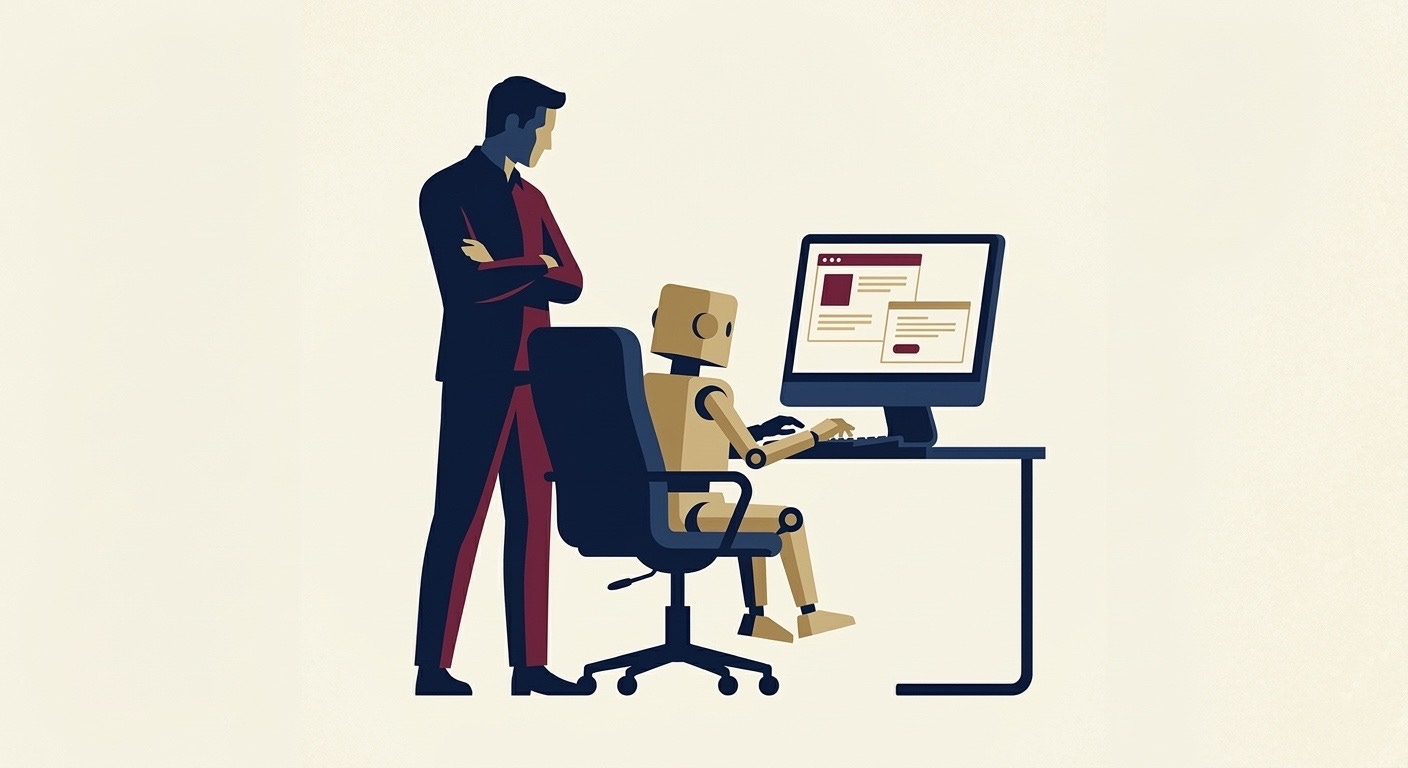
For decades, software has been something that human operate. We open applications, click stuff, move data between systems, write emails, schedule meetings, and manage workflows across dozens of digital tools. In short, modern work is largely about operating software. The emerging idea behind AI agents changes that model entirely. Instead of we operating software, AI systems begin operating the software for us.
An enterprise AI agent is not just a chatbot answering questions. It is a system designed to perform tasks: navigating applications, executing workflows, coordinating processes across computers, browsers, and cloud systems.
That means the relationship between humans and software could fundamentally change. We are going to stop being the operators. We become the supervisors of autonomous digital workers.
Alibaba’s move is significant because it shows that the race toward this model is accelerating globally. It’s not just happening in Silicon Valley. Major technology companies everywhere are investing massive resources to build these systems. Alibaba alone has committed more than $50 billion to AI and computing infrastructure.
But there is also a reality check here. The idea of agentic AI is powerful, but building reliable autonomous systems is extremely difficult. These agents must plan tasks, interact with complex software environments, and operate safely with sensitive business data.
We are still early in that journey. But the direction is becoming clear. The next major transformation in technology may not be better apps. It may be software that no longer needs us to operate it at all.
And when that happens, the structure of digital work and possibly the structure of organizations themselves could change far more than most people currently expect.